

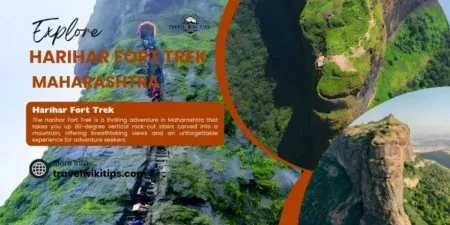
Adventure travel can give an ordinary holiday a completely different feeling because travelers spend more time experiencing places instead of simply passing through famous attractions. People searching for practical travel ideas can explore travelwikitips.com for useful information about hiking, camping, road journeys, nature activities, wildlife visits, scenic destinations, transportation, weather preparation, and outdoor planning. Adventure does not always mean climbing difficult mountains or spending several days in remote wilderness areas. It can also mean following a new walking trail, exploring countryside roads, visiting a quiet waterfall, cycling through unfamiliar surroundings, or spending an evening at a peaceful campsite. The right choice depends on personal interests, physical ability, available time, budget, and local conditions. Travelers should choose experiences that feel interesting without creating unnecessary pressure.
Start With A Clear Preference
Travelers usually enjoy adventure more when the activity matches something they already like doing. People who enjoy peaceful surroundings may prefer walking, photography, birdwatching, camping, or nature observation. Those who like physical activity may prefer cycling, climbing, kayaking, rafting, or longer hiking routes. Some travelers simply enjoy driving through unfamiliar regions and stopping whenever an interesting landscape appears. There is no reason to choose an activity only because it looks impressive online. An experience can be popular while still being completely unsuitable for a particular person. Beginners can start with shorter activities and gradually explore more demanding options. Travelers should also consider whether they prefer independent trips or organized activities with experienced support. Personal comfort should be part of adventure planning rather than something considered afterward.
Study The Destination Carefully
A destination should be researched from a practical point of view before travel arrangements are finalized. Photographs can show beautiful landscapes, but they rarely explain road conditions, distances, terrain, local transportation, seasonal access, or available facilities. Travelers should check how far important locations are from accommodation and whether public transport is available when needed. Some outdoor destinations can be surprisingly remote, with limited food options or weak communication services. Travelers should also check whether permits, entry tickets, registrations, or local guides are required for particular activities. Current information matters because routes can close due to weather, maintenance, environmental concerns, or local events. Reliable tourism sources and local authorities can provide useful updates. Careful research allows travelers to understand the destination before arriving there.
Select Suitable Travel Dates
The time of year can completely change an outdoor adventure. Mountain destinations may offer snow during colder periods, while warmer months can provide easier access to hiking routes. Desert locations can become uncomfortable during very hot weather but may be pleasant during cooler seasons. Coastal activities can depend on rainfall, wind, waves, and local operating schedules. Travelers should choose dates according to the experience they want rather than automatically selecting the busiest period. Popular seasons may provide more available services, but crowded attractions can reduce the peaceful atmosphere many travelers want. Quieter months can provide more space while limiting certain facilities. Comparing seasonal conditions before booking can help travelers choose dates that fit the intended activity instead of discovering later that the conditions are unsuitable.
Watch Weather Before Leaving
Weather deserves attention whenever travelers plan to spend significant time outdoors. Rain can change trail conditions quickly, while strong winds can make exposed areas uncomfortable or difficult to navigate. High temperatures can make walking and cycling more demanding and may require additional rest and hydration. Mountain regions can experience sudden changes that are difficult to predict from nearby towns. Travelers should check reliable forecasts before beginning an activity and continue observing local conditions throughout the day. Official warnings should always be taken seriously when severe conditions are expected. Changing the schedule because of bad weather does not mean the adventure has failed. It simply means the traveler has adapted to the environment. Outdoor plans should always leave some room for this possibility.
Pack Only Useful Items
Packing becomes easier when travelers prepare according to the actual activity and destination. A short walk near a developed tourist area does not require the same supplies as a remote camping trip. Depending on the journey, useful items can include suitable clothing, comfortable footwear, drinking water, food, navigation tools, personal medication, basic first-aid supplies, and communication equipment. Specialized activities may require additional gear that should be checked before departure. Travelers should also learn how unfamiliar equipment works before using it in demanding conditions. Carrying too many items creates unnecessary weight, but leaving important supplies behind simply to reduce luggage can create avoidable problems. Practical packing means understanding the environment and carrying what is genuinely useful for the conditions expected.
Choose Comfortable Footwear
Footwear can make a major difference during adventures that involve long periods of walking. Shoes should match the terrain, weather, and activity instead of being selected only because they look attractive. Uneven routes may require stronger grip and support, while smooth walking paths can allow lighter footwear. Travelers should test new shoes during shorter walks before taking them on a demanding route. This can reveal problems involving rubbing, poor fit, weak support, or discomfort after extended movement. Socks also deserve attention because unsuitable materials can create friction and irritation. A small problem with footwear may seem unimportant during the first hour but become extremely distracting later. Comfortable and suitable shoes can therefore improve the entire outdoor experience.
Plan Drinking Water Ahead
Water planning should take into account temperature, distance, physical effort, and available refill locations. Travelers should know where safe drinking water can be obtained before starting a remote activity. Natural water sources should not automatically be considered suitable because harmful contamination may not be visible. Travelers entering areas without reliable water access may need appropriate purification equipment or treatment methods. Hot conditions and physical activity can increase water requirements, so carrying only a minimal amount may not be sensible. Unexpected delays should also be considered because difficult terrain or navigation problems can extend the planned journey. Having a realistic water plan from the beginning can prevent unnecessary stress when travelers are far away from shops or reliable facilities.
Understand The Route Fully
Knowing the destination name is not enough when travelers plan an outdoor activity. They should understand the approximate route distance, direction, elevation changes, difficult sections, expected duration, and possible stopping areas. Official maps and trail information can provide useful details, while offline navigation tools can help when mobile service disappears. Travelers should download important maps before entering remote regions. Groups should also decide what they will do if someone becomes separated from the others. When a route starts taking considerably longer than expected, travelers should stop and reassess rather than continuing without understanding the surroundings. Good navigation preparation does not remove the excitement of exploration. It simply gives travelers enough information to make better decisions.
Share Your Planned Route
Travelers heading into remote locations should consider sharing basic plans with someone outside their group. The information can include the destination, expected route, accommodation, transportation arrangements, and approximate return time. This does not require complicated technology because a simple message can provide useful awareness. Travelers can send an update if they significantly change their route and regain communication later. Important contact details should remain accessible throughout the trip. This habit can become useful when delays occur and normal communication becomes difficult. Adventure can still feel independent while someone else knows the general plan. The purpose is not to monitor every movement but to make sure another person has enough information to understand where travelers expected to be.
Follow Local Activity Rules
Outdoor destinations often have regulations that visitors should understand before participating in activities. Protected areas may restrict camping, fires, fishing, vehicles, drones, photography, wildlife interaction, or access to specific trails. Certain activities may require permits, registration, qualified guides, or specific equipment. Travelers should check current requirements because local rules can change according to season, environmental conditions, conservation needs, or local events. Following these rules protects natural areas while helping visitors avoid unnecessary problems. Travelers should not assume that regulations from another park or region apply everywhere. Every destination can have different requirements. Checking official information before departure is easier than discovering an important restriction after reaching the activity location.
Leave Outdoor Areas Clean
Natural areas remain attractive when visitors take responsibility for the waste they create. Travelers should carry bottles, packaging, tissues, and other waste until suitable disposal facilities become available. Food scraps should not be left behind because they can attract wildlife and influence natural behavior. Visitors should avoid damaging plants, trees, rocks, trails, and other features of the environment. Established paths should be followed whenever possible because shortcuts can increase erosion and harm vegetation. Fires should only be used where they are clearly permitted and appropriate. Travelers should also avoid collecting natural objects as souvenirs. Responsible outdoor behavior may seem small during one trip, but repeated carelessness can create significant damage when many visitors use the same area.
Observe Wildlife Responsibly
Wildlife encounters can become memorable parts of an adventure when travelers observe animals without interfering. Visitors should avoid feeding, touching, chasing, or deliberately attracting wild animals for photographs. Food should be stored carefully in locations where animals may approach campsites. Travelers should follow local guidance because suitable viewing distances differ between species and environments. Even animals that appear calm can react suddenly if they feel threatened. Quiet observation often provides a better opportunity to see natural behavior than trying to move closer. Responsible wildlife viewing also reduces the chance of animals becoming dependent on people for food. Travelers should remember that the destination belongs to the wildlife as well, and visitors should behave accordingly.
Consider Experienced Local Guides
Local guides can be extremely useful when travelers are unfamiliar with a destination or activity. Experienced professionals may understand trail conditions, weather patterns, seasonal changes, wildlife behavior, transportation options, and local customs. Some technical activities require knowledge that beginners should not attempt to learn while already facing difficult conditions. Travelers should check a provider’s experience, qualifications, equipment standards, group size, activity description, and customer feedback before booking. The guide should clearly explain what participants will do and what equipment they need. Pricing should also be understandable before confirmation. A good guide can provide practical support while giving travelers a deeper understanding of the landscape and local environment.
Use Your Phone Carefully
Phones can be very useful during adventure travel because they provide maps, weather information, communication, translation, photography, and stored travel details. However, remote areas may have weak signals or no network coverage at all. Long outdoor activities can also drain batteries much faster than expected. Travelers should download maps, accommodation details, contact information, and important reservations before entering areas with poor connectivity. A portable charger can provide useful additional battery capacity. Travelers should still understand basic navigation instead of assuming the phone will always provide perfect directions. Technology should support good preparation rather than replace awareness of the surrounding environment. Before leaving a connected area, travelers should check that important information can be accessed offline.
Understand Your Physical Ability
Travelers should consider their current fitness and previous experience before choosing physically demanding adventures. Long hikes, steep climbs, difficult terrain, high temperatures, and high-altitude conditions can create substantial physical demands. Beginners may need more time and more frequent breaks than experienced participants. Groups should move according to the abilities of all members rather than forcing everyone to match the strongest person’s speed. Resting during a demanding route is normal and can help preserve energy. Travelers should also pay attention to serious exhaustion, unusual symptoms, or physical discomfort. If someone becomes unwell, changing the plan may be more sensible than continuing just to complete the original route. Adventure should be challenging in a positive way rather than becoming unnecessary suffering.
Arrange Transport In Advance
Transportation deserves careful planning when adventure locations are far from major towns. Travelers should know how they will reach the activity area and how they will return afterward. Remote destinations may have limited buses, taxis, shared vehicles, or fuel stations, especially outside the busiest travel periods. If an activity ends at a different location from where it started, return transportation requires additional attention. Outdoor activities can also take longer than expected, so transport connections should not be scheduled too closely. Road travelers should check fuel availability, road conditions, parking arrangements, and approximate journey times before entering less populated regions. Transportation may seem like a small detail during trip planning, but it can become one of the biggest problems when overlooked.
Build A Practical Budget
Adventure travel can fit different budgets when travelers calculate the complete cost rather than looking at one activity price. Transportation, accommodation, food, entry fees, permits, equipment rentals, guides, and local transfers can all affect the final amount. Remote destinations may involve additional costs because services are limited and distances are greater. Travelers should compare established providers and check what each quoted price includes before booking. Renting specialist equipment may make sense for occasional activities, while frequent participants may prefer purchasing suitable equipment. The cheapest option is not always the most useful when quality and experience matter. Travelers should also keep some extra money available for delays, transportation changes, or unexpected expenses during the journey.
Learn From Local Knowledge
Local knowledge can provide information that general travel searches may not reveal. Residents, guides, park staff, and established activity providers may know about recent route closures, changing road conditions, seasonal hazards, weather developments, or locations visitors should avoid. Travelers should listen when several trustworthy sources provide similar warnings. Important information should still be checked against official announcements whenever possible. Visitors should communicate respectfully and understand that local communities have their own routines and responsibilities. Learning from local people can make an adventure more practical and more meaningful. It can also help travelers understand why certain places are important rather than viewing the destination only through popular photographs.
Keep Your Schedule Flexible
Outdoor plans can change for many reasons, so travelers should avoid creating an itinerary that leaves no room for delays. Weather, transportation problems, difficult terrain, tiredness, crowded locations, equipment issues, and temporary closures can affect the original schedule. Leaving some free time allows travelers to make adjustments without feeling that the entire trip has been ruined. Flexible planning can also create opportunities to stop at an unexpected viewpoint, explore a quieter road, visit a local market, or spend additional time somewhere interesting. Important reservations should still be managed carefully because changes may affect availability or additional costs. Flexibility does not mean traveling without preparation. It means accepting that outdoor environments cannot always follow a fixed timetable.
Notice The Small Details
Adventure travel becomes more meaningful when travelers pay attention to details rather than focusing only on completing planned activities. A quiet sunrise, unusual landscape, local food, peaceful campsite, scenic road, or short conversation can become one of the strongest memories from a journey. Travelers should spend some time observing their surroundings without constantly using their phones for photographs. Pictures are useful, but direct attention allows people to experience the place more fully. Travelers can also keep short notes about routes, weather, interesting locations, and practical discoveries for future trips. There is no need to fill every hour with activities. Sometimes a slower afternoon provides a better opportunity to understand the destination and enjoy being somewhere unfamiliar.
Final Thoughts On Adventure
Adventure travel can be as simple or demanding as the traveler wants it to be. Hiking, camping, cycling, wildlife observation, scenic driving, photography, kayaking, and guided nature activities can all create worthwhile experiences when they match the destination and the traveler.
Good preparation begins with understanding personal interests and choosing an activity that fits physical ability, available time, budget, and local conditions. Travelers should research seasonal access, weather, transportation, equipment, water, navigation, and local regulations before starting the journey.
Responsible behavior should remain part of every adventure. Visitors should protect natural places, avoid disturbing wildlife, follow local requirements, reduce waste, and treat nearby communities respectfully.
Flexibility is equally useful because outdoor conditions can change without warning. Routes may take longer, weather may shift, transportation may be delayed, and certain activities may become unavailable.
The best adventure is not necessarily the hardest one available. It is the experience that allows travelers to explore somewhere unfamiliar, learn something useful, enjoy the environment, and return home with positive memories.
For more practical adventure travel ideas, destination guidance, outdoor planning information, and useful travel resources, visit travelwikitips.com and prepare your next journey with careful research, sensible planning, and responsible exploration.
Read also :-