

Courier tracking gives customers a simple way to understand what is happening with a package after it leaves the sender. Readers looking for practical shipment information can use tirupaticouriertracking.com to learn about tracking numbers, parcel movement, delivery stages, common status messages, and ways to handle delays. Knowing how courier tracking works can save time because customers can often find useful answers without contacting support for every small update.
A package does not usually travel directly from the sender to the receiver in one movement. It may pass through pickup locations, local offices, sorting centers, transportation hubs, regional facilities, and destination delivery centers before reaching the final address. Every part of this process can take a different amount of time depending on distance, shipment volume, transportation schedules, and local conditions.
Tracking information helps turn this complicated process into a series of understandable updates. A customer might first see that the shipment has been booked, followed by pickup, processing, transit, arrival at a destination facility, and eventually out-for-delivery information. These messages may use different wording depending on the courier, but they generally describe the same basic stages of parcel movement.
Why Courier Tracking Matters
Courier tracking is useful because customers want visibility after handing over a package or placing an online order. Without tracking information, people may have to depend entirely on estimated delivery dates and messages from the sender. A tracking system provides a more direct way to check whether the shipment has entered the courier network and whether it is moving toward its destination.
Tracking can also help customers identify possible problems earlier. If an address issue appears, the recipient may have an opportunity to correct information before another delivery attempt fails. If the shipment remains inactive for an unusually long time, the sender can be contacted before the delay becomes even more serious.
For businesses, tracking can be equally important because customers often expect regular updates about their orders. Accurate shipment information can reduce unnecessary support requests and make the delivery process easier to manage.
Start With Tracking Number
The tracking number is normally the main reference used to identify a shipment. It may contain numbers, letters, or a combination of both, depending on the courier system and service type. The sender generally receives this information after the shipment is created or accepted by the courier.
Customers should copy the tracking number carefully when checking the shipment. One incorrect character can cause the tracking system to return no result or display an error. If the number does not work, checking the original receipt, order confirmation, email, message, or seller account can help confirm the correct details.
Newly created shipments may not appear immediately in every tracking system. Sometimes the shipping record is created before the parcel receives its first physical scan. Waiting for the initial scan can therefore be necessary before detailed movement information becomes available.
Reading Tracking History
A tracking history normally shows several events connected with a shipment. The newest event is usually the most useful because it represents the latest recorded activity. Older updates explain where the package has previously been and can help show the general route it has followed.
Customers should pay attention to the date, time, location, and status description shown with each event. A location update can indicate that the parcel has reached a particular facility, while a dispatch update can mean that it has left that facility for another destination.
Tracking histories do not always record every movement. A parcel can travel between two facilities without producing a visible public update until it reaches the next scanning point. This is one reason why a shipment may appear unchanged even though it is still moving.
What Shipment Created Means
A shipment-created or shipment-booked message generally indicates that the courier information has been entered into the system. It is an early stage and does not necessarily prove that the physical parcel has already been collected.
Online sellers sometimes create shipping labels before handing packages to courier representatives. This allows the shipment record to exist before transportation begins. As a result, customers may receive tracking information while the package is still waiting for pickup.
If the status remains at shipment-created for a short period, there may be no reason to worry. If several days pass without any pickup or movement information, contacting the sender can help determine whether the parcel was actually handed over.
Understanding Pickup Status
A pickup update generally means that the courier has received the parcel from the sender or collected it from the designated location. This marks an important transition because the package has entered the physical courier network.
After pickup, the shipment may be taken to a nearby processing center. It could then be sorted with other packages heading toward similar destinations. Depending on the courier network, the first major movement update may appear later.
Customers should not expect the tracking page to change after every short journey. Courier systems generally record significant scans rather than continuously showing the package’s exact physical location.
How Sorting Centers Work
Sorting centers are essential because courier companies handle large numbers of shipments every day. Packages arriving at a facility need to be organized according to their destination, route, service type, or transportation schedule.
A shipment may therefore show several processing or sorting updates during its journey. These updates generally indicate that the package is being handled and prepared for another transportation stage.
Seeing multiple facility names does not automatically mean that a parcel is moving in the wrong direction. Courier networks often use centralized hubs, so a package may travel through a city that does not appear geographically direct before reaching the final region.
Meaning Of In Transit
An in-transit status generally indicates that the package is moving through the courier network. However, the phrase does not necessarily mean that the parcel is currently inside a vehicle at the exact moment the tracking page is checked.
The package could be travelling between cities, waiting for a scheduled connection, or moving toward another sorting facility. Tracking information may remain unchanged during these periods because the next scan has not yet been recorded.
Long-distance shipments can naturally spend considerable time in transit. Customers should therefore compare the status with the expected delivery period instead of expecting constant tracking changes throughout the day.
Destination Facility Updates
A destination facility update generally means that the shipment has reached a location serving the destination region. This can be a positive sign because the parcel is usually closer to the recipient than it was during earlier transportation stages.
However, reaching a destination facility does not always mean that the parcel will arrive immediately. Local sorting and route assignment may still need to happen before a delivery representative receives the package.
Customers should look for subsequent updates such as processed at local facility, dispatched for delivery, or out for delivery. These messages provide stronger indications that the final delivery stage is approaching.
What Out For Delivery Means
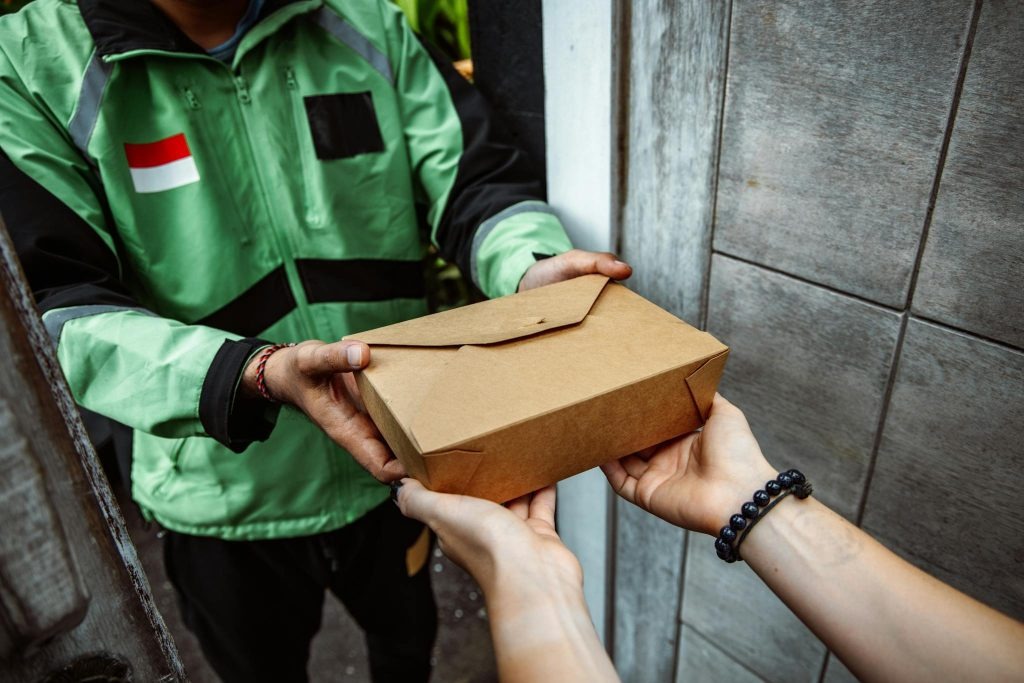
Out for delivery generally means that the shipment has been assigned to a delivery route and is being taken toward the recipient’s address. This is usually one of the final tracking stages before successful delivery.
The exact delivery time can still vary considerably. Delivery representatives may have many packages to complete, and traffic, weather, building access, address problems, and route conditions can affect the timing.
Recipients should keep their phone available when possible because the delivery person may need assistance locating the address. If the shipment is important, staying available during the expected delivery period can also reduce the possibility of a missed attempt.
Handling Failed Delivery
A failed delivery attempt can happen for several reasons. The recipient may not be available, the address may be incomplete, the delivery location may have restricted access, or the courier may encounter another problem during the route.
The tracking system may display messages such as delivery attempted, recipient unavailable, address issue, or delivery exception. Customers should read the latest message carefully because some systems provide instructions about what happens next.
Another delivery attempt may be scheduled automatically, while some situations require the recipient or sender to contact the courier. Ignoring the update can sometimes increase the chance of the parcel being returned.
Address Accuracy Matters
An accurate delivery address is one of the simplest ways to prevent courier problems. Missing apartment numbers, incorrect postal codes, incomplete street details, and outdated contact information can all create unnecessary delays.
Customers should verify addresses before placing online orders or sending personal packages. Businesses should also make sure customer addresses are transferred correctly into shipping systems.
If tracking shows an address-related problem, the sender may need to contact the courier because certain address changes cannot be completed directly by the recipient. Providing correct information quickly can help prevent another failed delivery attempt.
Why Tracking May Stop
A tracking page can remain unchanged for several hours or longer without meaning that the shipment has stopped moving. Packages can travel between facilities where no public scan is generated until arrival.
Transportation schedules can also create gaps in tracking updates. A parcel may be waiting for the next scheduled truck, aircraft, or local delivery route while the tracking system continues showing the previous status.
Weekends, holidays, high shipment volumes, weather conditions, and operational problems can further affect update frequency. Customers should therefore consider the expected delivery period before assuming something has gone wrong.
When Delays Become Serious
Not every delay requires immediate action. A short gap between tracking updates can happen during normal transportation, particularly for long-distance shipments.
A delay becomes more concerning when the package remains inactive beyond the expected delivery period or when the tracking information shows a specific problem that requires attention. Repeated failed delivery attempts can also require quick action.
When a shipment appears seriously delayed, customers should keep the tracking number and order information ready before contacting the sender or courier. These details allow support staff to identify the shipment more efficiently.
Checking Delivery Estimates
Estimated delivery dates are useful for planning, but they are not always exact. Courier companies depend on transportation networks, sorting capacity, local routes, and many other factors that can change during the shipment journey.
A package can sometimes arrive earlier than expected, while another may arrive later because of an unexpected operational issue. Customers should therefore treat the estimated date as a general guide rather than a guaranteed arrival time.
The latest tracking event usually provides better information about the parcel’s current position. If the delivery estimate changes, customers should check whether a new status or explanation has appeared.
Keeping Shipment Information
Customers should keep important shipment details until the parcel has been successfully delivered. The tracking number, order number, shipping receipt, seller information, and estimated delivery date can all become useful if a problem develops.
For expensive or important shipments, keeping screenshots of relevant tracking updates can also be useful. These records can help explain when a parcel was last scanned or when a delivery attempt occurred.
Good record keeping is especially helpful when several shipments are being delivered at the same time. It prevents tracking numbers from becoming mixed up and makes communication with customer support easier.
Courier Tracking Safety Tips
Customers should be careful when receiving messages that claim there is a problem with a courier delivery. Fraudulent messages sometimes use delivery-related language to convince people to click links or provide financial information.
Unexpected payment requests should be verified through trusted courier channels before any money or card information is provided. Customers should also avoid entering sensitive information into unfamiliar tracking websites.
A normal tracking search generally requires the shipment reference rather than unnecessary financial details. If a website suddenly asks for payment simply to reveal basic tracking information, customers should verify the service before continuing.
When To Contact Sender
The sender is often the best first contact when a shipment appears seriously delayed. Sellers and senders usually have access to the original shipping information and may be able to communicate directly with the courier.
For online purchases, the seller may also have additional order information that is not visible to the customer. In some cases, only the sender can begin a formal courier investigation.
Customers should provide the tracking number, order reference, delivery address, and latest tracking status when requesting help. Clear information can make the investigation process easier.
Using Tracking For Businesses
Courier tracking is particularly useful for businesses that send multiple packages every day. Companies can use shipment updates to monitor customer orders, identify delayed deliveries, and provide more accurate responses to customer questions.
Tracking information can also help businesses identify repeated delivery problems. If shipments frequently fail because of incomplete addresses, the company can improve its address collection process.
For businesses managing large shipment volumes, organized tracking records can reduce confusion and improve customer service. Accurate delivery information helps both the company and its customers understand what is happening with each order.
Final Thoughts On Shipment Tracking
Courier tracking is a practical system that gives customers greater visibility into the journey of a package. A shipment can move through several stages including booking, pickup, sorting, transportation, destination processing, local delivery, and final completion, although the exact sequence can vary depending on the courier service.
Readers interested in parcel tracking guidance, shipment status meanings, delivery updates, and practical courier information can explore tirupaticouriertracking.com for additional resources. The tracking number should be kept carefully because it is usually the quickest way to identify a shipment.
Customers should also remember that tracking updates are not always continuous. A parcel may remain on the same status while travelling between two scanning locations, especially when it is moving over a long distance.
At the same time, unusually long inactivity should not simply be ignored. When a shipment remains unchanged beyond the expected delivery period, contacting the sender or courier support team is a sensible step.
Accurate addresses, correct contact information, and careful attention to delivery messages can prevent many common problems. Customers should also remain cautious about suspicious courier messages and unexpected payment requests.
Once common tracking terms become familiar, shipment updates are much easier to understand. Instead of seeing random words on a tracking page, customers can recognize each message as part of a larger delivery process.
For more practical courier tracking information, parcel status explanations, shipment updates, delivery guidance, and useful tracking resources, explore tirupaticouriertracking.com and stay informed from the first shipment scan until final delivery.
Read also :-