

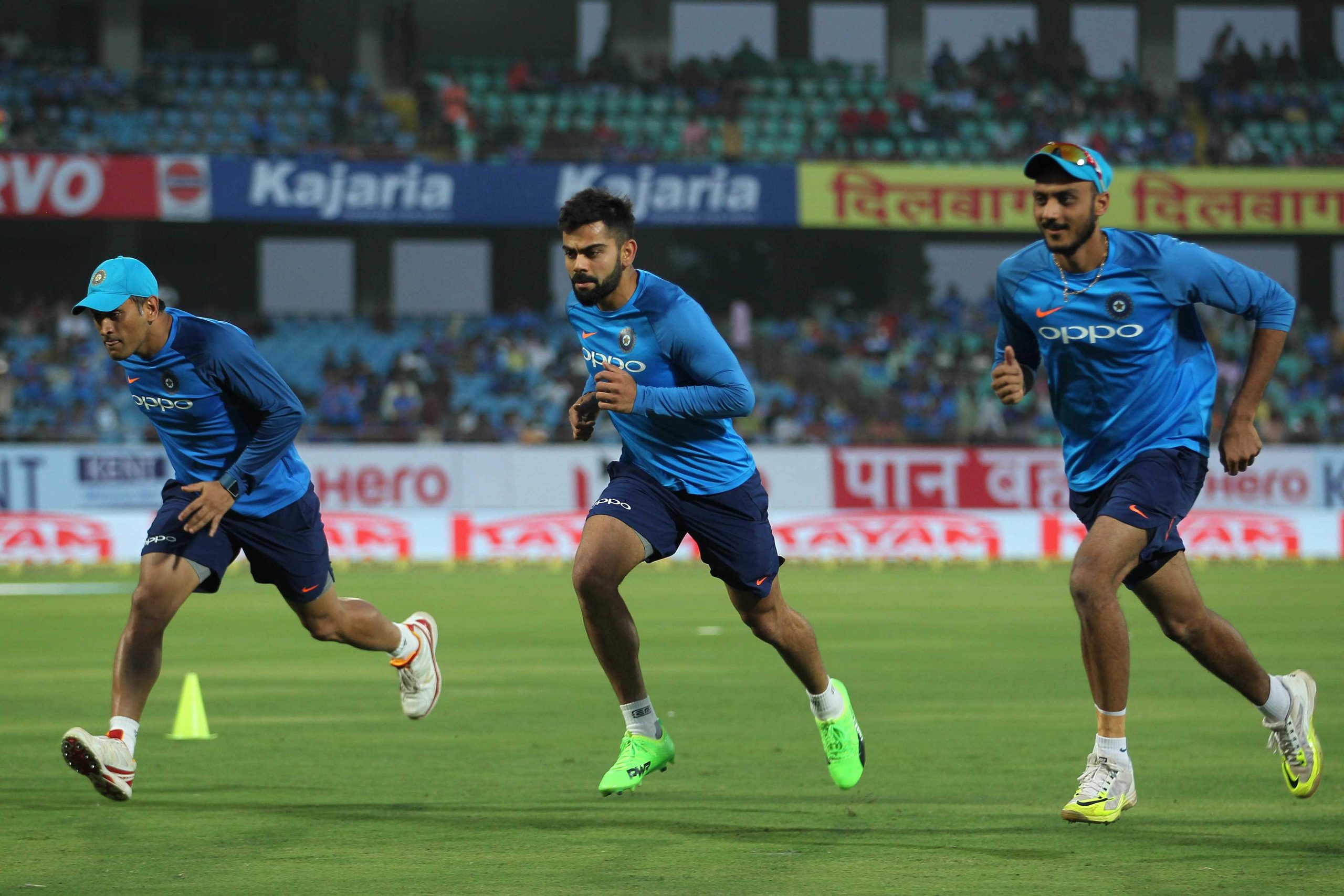
Cricket Fitness Training is no longer an optional discipline players visit during pre-season; it is now the living foundation of modern performance. A cricketer can have timing, technique and temperament, but without the engine of fitness, these qualities collapse in the late overs when the body demands resilience. The game has evolved from a skill-based contest into a battle of conditioning, recovery speed and sustained intensity. The difference between average and elite often lies not in talent but in physical readiness.
Why Modern Cricket Demands Deeper Conditioning
Cricket today asks for consistent bursts of speed, dynamic movement off the ball and reactive strength in chaotic moments. The longer a match stretches, the more the body is tested for repeat explosive effort. Players who rely on instinct alone fade mentally because fatigue eats focus. Captains with stamina read better, fielders with energy anticipate quicker and bowlers with preserved strength hold their rhythm deeper into overs. This is how conditioning quietly shapes results without ever appearing on the scoreboard. (Cricket Fitness Training)
Core Strength And Athletic Movement
A player’s technical ability is only as stable as the platform under it. Core strength preserves stroke alignment for batters and protects landing mechanics for bowlers. It also influences acceleration across the field and how quickly direction shifts can be executed without risk of strain. When a batter lunges late or a bowler tweaks his stride to avoid a collision, the body relies on muscular stability developed months before competition. Fit cricketers do not simply move faster; they move safer and smarter because the system is conditioned to absorb impact. (Cricket Fitness Training)
The Role Of Recovery In Sustainable Gains
Fitness is not built by how much you train but how efficiently you rebuild after exertion. Recovery is part of performance architecture. Players who skip this layer experience sharp bursts of form but fail to maintain productivity across series. Once the nervous system is fatigued, skills appear weaker not because they were lost but because the body cannot deliver them with sharpness. Ice baths, corrective mobility, breathing control and nutritional rhythm are not luxuries; they are extensions of match preparation. (Cricket Fitness Training)
Mental Endurance Linked With Physical Control
A tired athlete hesitates first in the mind before the body shows weakness. Decision quality is the first casualty of fatigue. Drop a catch after chasing the ball for fifty metres and the reason is rarely technique; it is the brain being a half-second late because oxygen recovery lagged behind the sprint. This is why endurance is a psychological investment disguised as physical labour. True consistency is powered by freshness in the mind, which comes from resilience in the lower body and lungs. (Cricket Fitness Training)
Match-Day Output Built From Off-Season Discipline
Spectators only witness game-day product, not the invisible months that forged it. Cricket Fitness Training does not transform players in a rush; it elevates them through sustained habits. Off-season is where posture is fixed, strength is built and metabolic endurance is stacked brick by brick. The body that survives an intense death-overs chase is the body that was rebuilt far away from crowds and cameras when nobody was watching.
Speed Work And Explosive Readiness
When a boundary save is made at full stretch or a bowler dismisses a batter with a 145 kmph bouncer in the 18th over, speed is not accidental — it is engineered. Fast-twitch muscle response is trained through short bursts that fine-tune acceleration. Fielders who chase balls with sharper first steps and bowlers who rotate hips explosively at crease contact are not simply gifted; they are conditioned to fire their system at command.
Why Micro-Skills Matter In Cricket Fitness Training
Small rituals compound into massive advantages. Grip strength determines control over hours of batting. Hip mobility extends stride length, which directly translates to speed without extra effort. Shoulder endurance keeps bowls accurate deep into spells. Even breathing patterns decide stability when sprinting to a catch. These micro-skills turn actions into muscle memory so players perform under pressure without overthinking mechanics.
Role-Specific Conditioning Makes The Difference
A keeper requires lateral movement and reflex conditioning far more than a long-distance engine. A pacer must protect hamstrings, landing leg tolerance and rotation integrity. A power hitter must build rotational torque and balance to generate bat speed late into innings. What looks like one sport is really multiple athletic profiles working under one jersey. This is why Cricket Fitness Training is no longer generic; it is built role by role like a tailored performance suit.
Hydration, Fuel And Internal Efficiency
Training is half the job; fueling turns training into performance currency. A dehydrated athlete loses reaction speed. A poorly fueled batter fatigues before scoreboard pressure arrives. Nutrition is internal software for the system, deciding whether the body converts work into power or panic. Players who manage hydration rhythm hold clarity longer under sun and stress than opponents who rely only on raw toughness. (Cricket Fitness Training)
Fielding Intensity As A Fitness Mirror
Fielding exposes fitness truth more brutally than any drill. When a player dives with the same intensity in the 49th over as he did in the 5th, teammates feel protected and bowlers feel backed. This ripple of energy lifts morale and forces batters into rushed singles. A fit fielder is a strategic wall; a tired fielder is an opening disguised as a weakness. Teams that dominate in the field do so because their fitness foundation makes athletic intent sustainable. (Cricket Fitness Training)
Discipline Converts Conditioning Into Confidence
The scoreboard never shows training hours, but confidence born from conditioning is unmistakable. Players step in with the certainty that their body will not betray them. Match temperament strengthens because hesitation drops. Coaches say confidence is belief, but belief is often simply preparation disguised as self-trust. Fitness is not muscle display; it is internal authority over chaos. (Cricket Fitness Training)
Why Elite Teams Prioritise Structured Conditioning
Look at long-format dominance worldwide and you will always find systems designed to preserve energy deep into sessions. Championships are not won by highlight moments alone. They are won through endurance, precision under fatigue and repeat power. Teams that build conditioning early stay mentally fresher late, which is where most matches tilt. (Cricket Fitness Training)
Modern training is no longer about generic gym work. It blends mobility, strength, speed, breathwork and field-based conditioning into a complete athletic identity. That is the silent engine of long-term success, and the deeper a player invests in it, the sharper his performance lens becomes.
Read also:
orlando magic vs boston celtics match player stats
phoenix mercury vs minnesota lynx match player stats
minnesota lynx vs phoenix mercury match player stats
golden state warriors vs phoenix suns match player stats
sri lanka national cricket team vs afghanistan national cricket team match scorecard
zimbabwe national cricket team vs bangladesh national cricket team match scorecard
new zealand national cricket team vs west indies cricket team match scorecard