

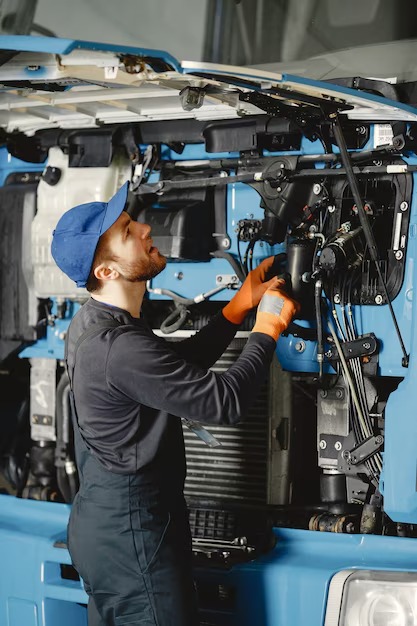
Every vehicle depends on hundreds of individual components working together without interruption. Most drivers only notice auto parts when something suddenly stops working, but regular attention can prevent many expensive repairs before they even begin. autodecade.com offers practical automotive knowledge that helps vehicle owners understand replacement parts, maintenance routines, and smart purchasing decisions through simple and useful information.
Understand Basic Maintenance
Vehicle maintenance does not always require advanced mechanical knowledge. Many important tasks involve simple inspections that help identify worn or damaged components before they become serious problems.
Looking under the hood occasionally, checking fluid levels, and paying attention to unusual sounds can reveal developing issues early. These habits require very little time but often prevent costly breakdowns.
Routine maintenance also helps improve reliability during long trips where unexpected failures become far more inconvenient.
Pay Attention To Engine Belts
Engine belts operate several important accessories every time the vehicle runs. They help drive the alternator, water pump, power steering pump, and air conditioning compressor.
Rubber belts naturally wear over time because they experience constant movement and changing temperatures. Small cracks, frayed edges, or squealing sounds usually indicate that replacement should not be delayed.
Replacing a worn belt before complete failure protects several important engine systems from unexpected damage.
Choose Quality Filters
Filters quietly protect different vehicle systems every single day.
Air filters prevent dirt from entering the engine, while oil filters remove contaminants from circulating engine oil. Fuel filters help protect sensitive fuel injection components, and cabin filters improve the quality of air inside the vehicle.
Replacing these inexpensive parts according to maintenance schedules helps preserve the performance of much more expensive components.
Watch Suspension Performance
The suspension system affects comfort, handling, and overall driving stability.
Shock absorbers, struts, control arms, ball joints, and bushings gradually wear throughout normal driving. Their deterioration often happens slowly enough that drivers adapt without realizing handling has changed.
Regular inspections help identify suspension wear before it affects tire life or steering control.
Check Tire Health Regularly
Tires remain in constant contact with the road, making them one of the most important safety components on any vehicle.
Uneven tread wear may indicate alignment issues, incorrect tire pressure, or suspension problems. Driving with worn tires also increases braking distance during wet weather.
Checking tire pressure every month and inspecting tread depth regularly helps improve safety while extending tire lifespan.
Cooling System Needs Care
The cooling system prevents the engine from overheating during everyday driving.
Radiators, thermostats, coolant pumps, cooling fans, and hoses all perform important functions that maintain proper engine temperature. Even one failing component can affect the entire system.
Inspecting coolant levels and checking hoses for cracks or leaks should become part of every regular maintenance routine.
Understand Brake Wear
Brake systems gradually wear because friction naturally removes material from brake pads during every stop.
Drivers should never ignore squealing noises, grinding sounds, or reduced braking performance because these symptoms often indicate worn components requiring immediate attention.
Replacing brake pads before they become excessively worn also helps protect brake rotors from unnecessary damage.
Electrical Components Matter
Modern vehicles rely heavily on electrical systems for safe and efficient operation.
Sensors, batteries, alternators, relays, wiring harnesses, and electronic control modules communicate continuously while the vehicle operates.
Electrical faults should always receive proper diagnosis because replacing random components without testing rarely solves the actual problem.
Use Proper Replacement Parts
Every replacement part should match the original specifications recommended for the vehicle.
Incorrect dimensions, incompatible electrical connectors, or unsuitable materials may create installation problems or reduce long-term reliability.
Using the Vehicle Identification Number helps buyers locate compatible replacement parts more accurately than searching only by model name.
Do Not Ignore Fluids
Vehicle fluids work alongside mechanical components to reduce wear and maintain smooth operation.
Engine oil lubricates moving parts, coolant controls temperature, transmission fluid supports gear operation, and brake fluid transfers hydraulic pressure.
Checking fluid levels regularly helps identify leaks before they cause major mechanical damage.
Read Product Information
Many buyers skip product descriptions and purchase based only on price or appearance.
Technical specifications usually include compatibility details, material information, warranty coverage, and installation notes that help prevent ordering mistakes.
Carefully reviewing these details creates more confidence before making a purchase.
Buy From Reliable Suppliers
Finding a trustworthy supplier remains an important part of buying quality auto parts.
Reliable retailers generally provide authentic products, accurate descriptions, dependable customer service, and reasonable return policies.
Buying from unknown sellers offering unrealistic discounts sometimes results in counterfeit or poor-quality components.
Create A Maintenance Schedule
Waiting for parts to fail completely often leads to emergency repairs that cost more than planned maintenance.
Creating a maintenance schedule allows owners to inspect important systems regularly while planning future replacements in advance.
Recording service dates and mileage also helps identify maintenance patterns over time.
Think About Long-Term Costs
The cheapest replacement part rarely provides the best overall value.
Higher-quality products usually last longer, require fewer replacements, and help protect surrounding components from unnecessary wear.
Considering long-term ownership costs instead of only the purchase price often leads to better financial decisions.
Small Habits Build Reliability
Reliable vehicles are usually maintained through consistent attention rather than occasional major repairs.
Simple habits such as checking tire pressure, replacing filters on schedule, monitoring fluid levels, and listening for unusual sounds make a noticeable difference over the years.
Preventive maintenance always remains easier than repairing major mechanical failures after neglect.
Conclusion
Understanding auto parts and maintaining them properly helps every driver improve vehicle reliability, safety, and long-term performance. Choosing compatible replacement components, following recommended maintenance schedules, inspecting important systems regularly, and purchasing quality products from trusted suppliers all contribute to lower repair costs and better driving experiences. Small maintenance decisions today often determine how dependable a vehicle remains tomorrow.
Read also :-