

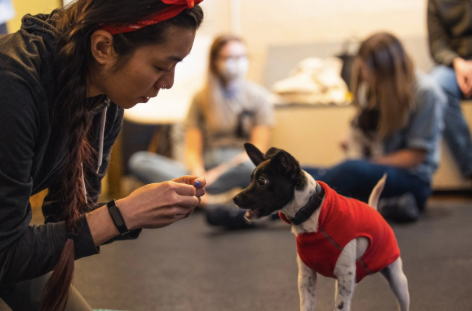
Getting a puppy feels a bit like bringing home a tiny, furry tornado. One minute, they’re asleep in your lap, the next, they’re chewing your phone charger. It’s cute. Until it’s not. That’s usually the moment most owners start thinking about puppy training classes. But here’s the truth: just signing up for a course won’t magically fix anything. You need to know what to look for, and what actually works — not what’s just popular.
Most Puppy Classes Are Too Basic — That’s the Problem
You’ll see it all the time. Six or seven puppies in a room, sitting in circles, owners holding treats like they’re doing a magic trick. The trainer runs through the usual cues — sit, stay, down. Maybe there’s a bit of off-lead play at the end. But here’s the thing. Your puppy isn’t learning how to behave in your house, with your kids, your cat, your front door, and your postman. They’re learning how to respond in one room, for half an hour a week, when they’re not too distracted. That’s it. It’s not that these classes are bad. It’s that they stop short of what real training should be.
Your Puppy’s Not Misbehaving. They’re Just Confused
Puppies don’t come pre-installed with any idea of what’s “good”. They don’t know what “no” means. They don’t know why you’re upset about the carpet. They don’t know the bin isn’t a toy. A good trainer will tell you that most “bad behaviour” is actually unclear communication. If your dog doesn’t listen, it’s not because they’re ignoring you. It’s because they don’t understand what you want — or the timing of your correction or reward is off. That’s why puppy training classes need to include you in the process, not just your dog. If you’re not being trained too, you’re wasting your time.
The Word “Socialisation” Gets Thrown Around Way Too Much
Everyone says it: “Your puppy needs socialisation.” But what does that even mean? It’s not just about meeting other dogs. It’s about calmly experiencing the world. Hearing a bus go past. Walking past a dog without going bananas. Meeting a tall man with a deep voice. Being okay when a baby cries. A lot of classes confuse socialisation with chaos. They let puppies run wild in a room and call it exposure. That’s not helping. That’s overstimulating. It’s how confident dogs become bullies and shy dogs shut down. A proper class teaches controlled greetings, patient observation, calm reactions. That’s the kind of socialising that sticks.
The Best Classes Teach Owners, Not Just Dogs
Honestly, this can’t be stressed enough. You’re the one your dog sees every day. You set the tone. The habits. The expectations. A trainer who only talks to the dogs is missing the point. You need to know why “sit” works better in the kitchen than at the park. Why tone matters. Why your body language might be telling your dog the opposite of what you’re saying. Good puppy classes feel more like coaching than instruction. You walk away thinking, “Ah, now I get it.”
Most People Stop Too Soon — That’s When Mistakes Happen
Here’s a pattern that shows up often. Owners go to class for a few weeks. Things get better. Puppy learns to sit, maybe even wait at the door. So they stop going. Two months later, the pulling starts. Barking comes back. Puppy doesn’t listen anymore. It’s not the dog’s fault. It’s not even that they’ve forgotten — it’s that the training became optional. It faded into the background. And dogs, like people, follow habits. If you stop reinforcing what they’ve learned, they’ll stop doing it. Training doesn’t end with a certificate. It’s something you maintain — like brushing your teeth.
Home Practice is Where the Real Progress Happens
What you do between classes matters more than the class itself. Practice doesn’t need to be a formal session. Ask for a “sit” before feeding. Use “wait” at doorways. Work on “leave it” while dropping your keys. Five minutes here, two minutes there — it all adds up. And don’t wait for the perfect moment. Real training happens during the messy moments. When the doorbell rings. When the neighbour’s dog walks past. That’s where you build trust and control.
Is One-to-One Better Than Group? Sometimes, Yes
If your puppy gets overwhelmed in a group setting, one-to-one sessions might be a better start. A private trainer can see how your puppy acts in their own space. They’ll spot things you’ve become blind to. That corner they always pee in. The way they tense when you clip the lead. Things that don’t come up in a class. Group classes have value, but they’re not always where the breakthrough happens.
Conclusion: Puppy Classes Are the Start — Not the Solution
Enrolling in puppy training classes is a smart move. But it’s not about ticking a box. It’s the first step in learning how to live with a dog that understands you — and trusts you. It’s not always tidy. You’ll get things wrong. So will your puppy. That’s normal. What matters is that you stay consistent, pay attention, and actually enjoy the process. A well-trained dog does not listen out of fear. It listens because it wants to. And that comes from what you build together — not just what they learn in class.
