

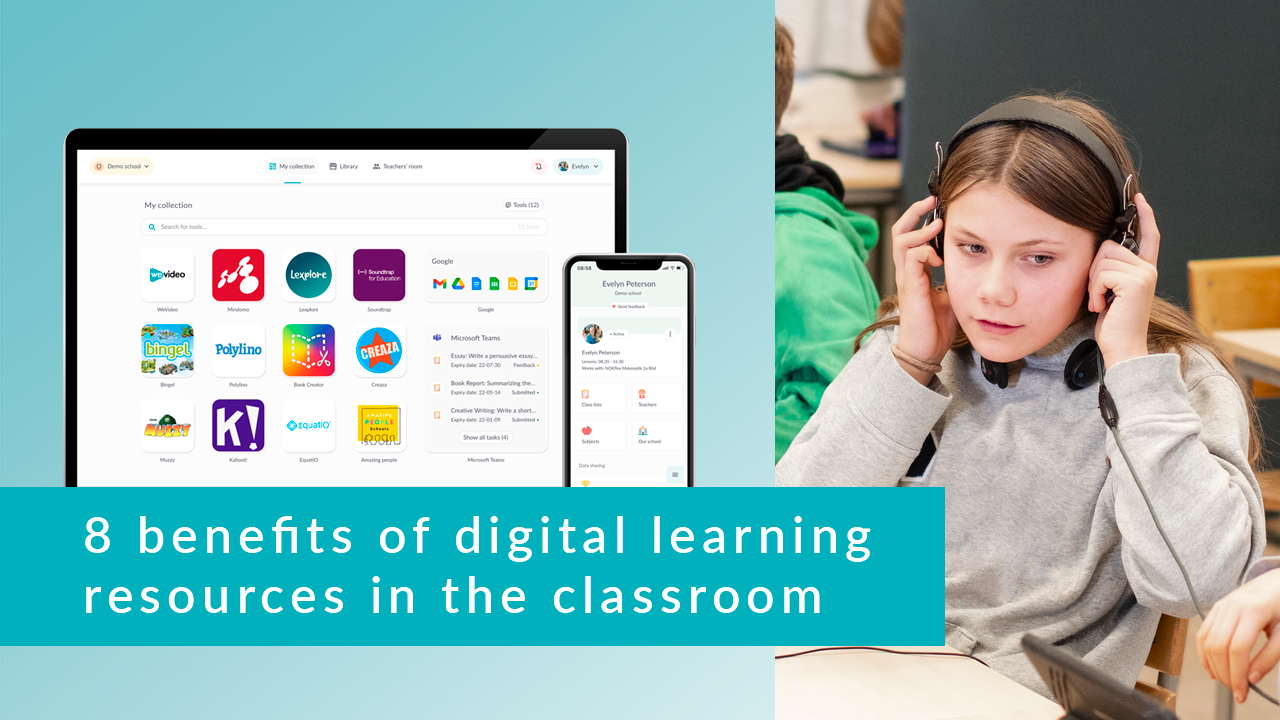
student learning resources are essential tools that empower students to excel academically, develop skills, and achieve their educational goals. In today’s digital era, these resources are no longer limited to textbooks and classroom lectures. Online platforms, interactive tools, and multimedia content have revolutionized the way learners acquire knowledge.
Access to quality student learning resources allows learners to understand complex concepts more effectively, practice problem-solving, and enhance critical thinking skills. Whether preparing for exams, building technical skills, or pursuing personal growth, these resources are invaluable for students across all levels.
Table of Contents
ToggleUnderstanding Student Learning Resources
Student learning resources encompass a variety of materials, including textbooks, online tutorials, video lectures, practice exercises, quizzes, and interactive simulations. These resources are designed to supplement formal education and help learners grasp concepts more thoroughly.
The flexibility of modern student learning resources ensures that students can study at their own pace, revisit difficult topics, and focus on areas where they need improvement. This adaptability is key to personalized learning experiences.
Importance of Student Learning Resources in Modern Education
The role of student learning resources has become increasingly vital in modern education. Traditional teaching methods alone often cannot address the diverse learning styles and needs of every student.
Digital resources provide multimedia explanations, interactive lessons, and real-world applications, enhancing understanding and retention. By leveraging these resources, students can engage more actively with their learning journey.
Types of Student Learning Resources
There is a wide range of student learning resources available to support academic achievement.
Academic resources include textbooks, reference materials, and curated online content tailored to different curricula. Skill-based resources focus on areas such as coding, critical thinking, and problem-solving. Additionally, exam preparation materials, practice papers, and mock tests help students build confidence and achieve better performance.
Choosing the right student learning resources ensures that learning is effective, goal-oriented, and aligned with individual needs.
How Digital Platforms Enhance Student Learning Resources
Digital platforms have transformed traditional learning by providing student learning resources that are interactive, accessible, and engaging. Online portals offer video lectures, virtual simulations, and assessments that cater to different learning styles.
These platforms allow students to track their progress, receive instant feedback, and access additional support materials. The combination of visual, auditory, and hands-on learning ensures better comprehension and skill development.
Real-Life Example: Transforming Academic Performance
Consider Priya, a high school student struggling with mathematics. By using online student learning resources, she accessed interactive lessons, practice quizzes, and detailed explanations of complex topics.
Within months, Priya’s understanding of mathematical concepts improved, resulting in higher grades and increased confidence. This example highlights how proper utilization of student learning resources can create a significant impact on academic performance.
Integrating Technology in Learning
Modern student learning resources leverage technology to create immersive learning experiences. Virtual labs, AI-based tutoring, and gamified learning modules help students engage actively with content.
Technology also allows for adaptive learning paths, where resources adjust to the student’s pace and level, ensuring optimal comprehension. This approach is particularly beneficial for complex subjects that require step-by-step understanding.
Benefits of Using Student Learning Resources
Using student learning resources offers multiple benefits, including improved retention, enhanced problem-solving skills, and better exam preparedness.
Students can practice independently, receive feedback, and develop a deeper understanding of topics beyond the classroom. Access to diverse resources also fosters creativity, critical thinking, and self-motivation.
Effective Use of Student Learning Resources
To maximize the benefits of student learning resources, students should create a structured study plan, allocate dedicated time for practice, and engage with interactive elements like quizzes and simulations.
Regularly reviewing and revisiting learning materials helps reinforce knowledge. Collaborative learning through discussion forums and group activities further enhances understanding.
Accessibility and Convenience
One of the key advantages of modern student learning resources is accessibility. Students can access learning materials anytime, anywhere, using smartphones, tablets, or computers.
This convenience ensures that education is not restricted by geographical location or time constraints. Offline access and downloadable content further support uninterrupted learning, making these resources ideal for students in remote areas.
Tracking Progress and Performance
Many digital platforms provide tools to track progress and performance. Analytics dashboards show quiz scores, assignment completion, and topic mastery.
By monitoring their progress, students can identify strengths and weaknesses, focus on improvement areas, and optimize their learning strategies. Performance tracking ensures that student learning resources are not just consumed passively but actively used to enhance understanding.
Supporting Teachers and Educators
Student learning resources also support teachers by providing tools to manage classrooms, assign tasks, and track student performance. Educators can leverage these resources to create personalized lesson plans, identify struggling students, and provide targeted support.
By using these tools, teachers can focus more on instructional quality and engagement rather than administrative tasks, making teaching more effective and meaningful.
Encouraging Lifelong Learning
The use of student learning resources fosters a culture of lifelong learning. Students gain not only academic knowledge but also critical thinking, problem-solving, and digital literacy skills.
By exploring diverse resources, learners develop curiosity, adaptability, and the ability to self-learn—skills essential for higher education and professional success.
Real-World Applications
Student learning resources are not limited to theoretical knowledge. Many platforms include practical exercises, project-based learning, and simulations that mimic real-world scenarios.
This hands-on approach helps students apply knowledge, understand concepts deeply, and develop skills relevant to their careers and daily life.
Building a Strong Academic Foundation
Consistently using student learning resources helps learners build a strong academic foundation. By combining textbooks, online content, interactive modules, and assessments, students develop a holistic understanding of subjects.
This solid foundation not only improves performance in current studies but also prepares learners for advanced courses, exams, and skill-based opportunities.
Tips for Maximizing Learning Efficiency
To fully benefit from student learning resources, students should maintain discipline, plan study schedules, and actively engage with interactive content.
Participating in group studies, discussions, and peer learning sessions can also enhance comprehension. Using multiple formats of resources—videos, texts, quizzes—ensures a more well-rounded learning experience.
Future of Student Learning Resources
The future of student learning resources lies in adaptive, AI-powered platforms, virtual reality experiences, and gamified learning. These innovations will continue to personalize education, making it more engaging, effective, and accessible.
By embracing these resources, students can stay ahead academically, develop essential skills, and prepare for challenges in higher education and professional life.
Support and Guidance Systems
Many platforms providing student learning resources include support systems like help desks, live chat, and instructor guidance.
Prompt assistance ensures that students can overcome difficulties quickly and continue learning without interruption, making the educational experience seamless and effective.
Conclusion on Leveraging Resources
Using student learning resources strategically empowers students to take control of their learning journey. Interactive tools, progress tracking, and personalized content combine to create a rich, effective educational experience.
With consistent engagement and smart utilization, learners can achieve academic excellence, skill mastery, and prepare for lifelong success in education and beyond.