

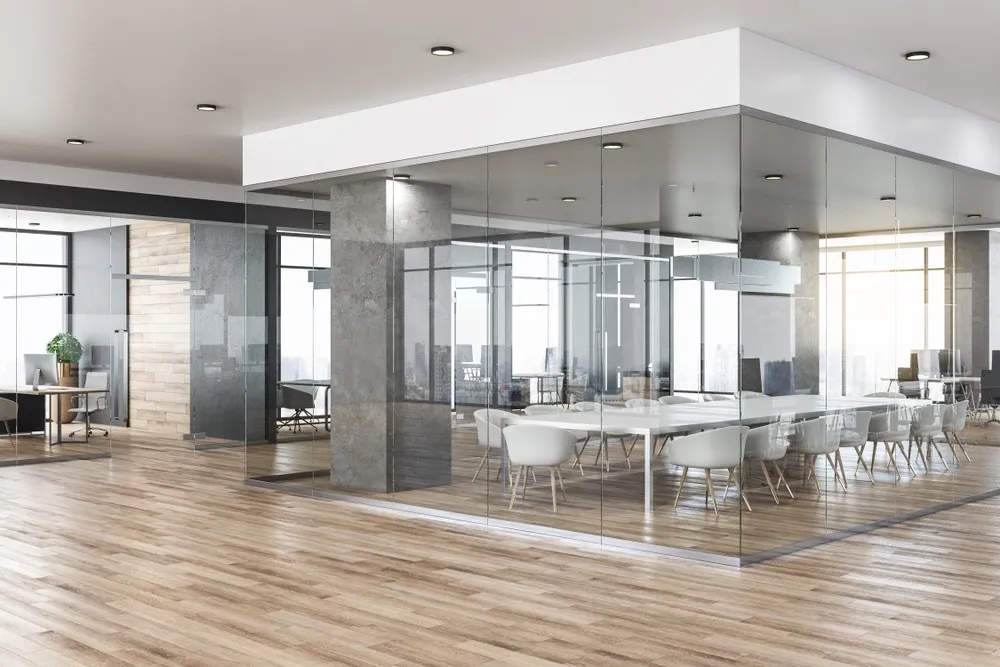
Office flooring design trends are reshaping how modern workplaces look, feel, and function from the moment someone steps inside. In today’s offices, flooring is no longer an afterthought chosen at the last minute. It has become a strategic design decision that influences productivity, comfort, acoustics, and even how a brand is perceived. As work environments evolve to support hybrid schedules, collaboration, and employee well-being, flooring is playing a surprisingly powerful role in that transformation.
A decade ago, most offices relied on standard carpet rolls or glossy tiles without much discussion. Now, decision-makers are spending weeks evaluating flooring options because they understand how deeply it affects daily work life. From reducing noise to improving indoor air quality, the right flooring quietly supports better performance and satisfaction.
How office flooring design has evolved with work culture
Office culture has changed dramatically, and flooring has evolved alongside it. Traditional offices focused on uniformity and durability, often sacrificing comfort and visual appeal. Floors were expected to survive heavy foot traffic, nothing more.
Modern offices tell a different story. Open layouts, shared spaces, and flexible seating arrangements demand floors that support movement, zoning, and comfort. Flooring now helps guide people through spaces, signaling where collaboration happens and where quiet focus is encouraged.
Why Office Flooring Design Trends matter to businesses today
The growing attention to Office flooring design trends reflects a deeper understanding of how physical environments shape behavior. Employees are more aware of their surroundings and more vocal about comfort and aesthetics.
When flooring is thoughtfully selected, it reduces distractions, supports posture, and creates a sense of belonging. Businesses that ignore this risk creating spaces that feel outdated or uncomfortable, making it harder to bring people back into the office after remote work.
Sustainability driving modern flooring decisions
Sustainability has moved from a bonus feature to a baseline expectation. Many organizations now evaluate flooring materials through an environmental lens, asking questions about sourcing, emissions, and longevity.
Manufacturers have responded by developing products with recycled content, low chemical emissions, and longer life cycles. Sustainable flooring is no longer limited to niche designs; it is widely available in styles that match modern aesthetics without compromising performance.
Natural textures influencing office flooring aesthetics
One of the most noticeable shifts in office design is the return to nature-inspired elements. Wood-look finishes, stone textures, and earthy tones are being used to create calm, welcoming environments.
These materials help counterbalance the digital intensity of modern work. Employees often describe such spaces as warmer and more comfortable, even when the flooring itself is a high-performance alternative designed for commercial use.
Office Flooring Design Trends in hybrid work environments
Hybrid work has changed how offices are used, and flooring is adapting to support that flexibility. Offices are no longer filled with fixed desks but with multipurpose zones that change throughout the day.
Designers use flooring variations to define these zones subtly. A collaboration area may feature textured or patterned flooring, while quiet focus zones rely on softer, more muted surfaces. This approach allows spaces to communicate their purpose without signage or walls.
Modular flooring and flexible office layouts
Modular flooring systems have become a favorite among facility managers and designers alike. Carpet tiles and modular planks allow damaged sections to be replaced easily, extending the life of the floor.
This flexibility supports offices that expect frequent layout changes. When teams grow or shrink, floors can adapt without major renovation costs, making modular solutions a practical response to evolving workplace needs.
Acoustic performance shaping flooring choices
Noise is one of the biggest complaints in open offices. Flooring plays a critical role in managing sound, especially in shared spaces with constant movement.
Soft surfaces and engineered backing systems absorb footfall noise and reduce echo. As a result, acoustic performance has become a defining factor in Office flooring design trends, particularly for organizations prioritizing focus and mental comfort.
Durability without sacrificing design
High-traffic areas such as corridors, reception zones, and breakout spaces demand flooring that can handle wear without looking tired. Modern flooring solutions balance durability with sophisticated design.
Advances in materials allow floors to resist scratches, stains, and fading while still offering visually appealing finishes. This combination ensures offices remain professional-looking even after years of use.
Color psychology in office flooring
Color plays a subtle yet powerful role in shaping workplace mood. Warm tones can create inviting environments, while cooler shades promote calm and concentration.
Rather than choosing a single neutral color throughout, designers now use layered palettes to create visual interest. Flooring colors often align with brand identity, reinforcing company values without overwhelming the space.
Health and wellness focused flooring materials
Employee well-being has become a top priority, influencing flooring choices across industries. Floors that reduce fatigue, support movement, and improve air quality are gaining attention.
Low-emission materials help maintain healthier indoor environments, while cushioned surfaces make long periods of standing or walking more comfortable. These considerations reflect a growing awareness of how flooring affects physical health over time.
Office Flooring Design Trends influenced by technology
Technology is shaping flooring in subtle but important ways. Modern offices require floors that support cabling systems, underfloor air distribution, and adaptable layouts.
Some flooring solutions are designed to integrate seamlessly with raised floor systems, making it easier to reconfigure workspaces as technology evolves. This adaptability helps future-proof offices against rapid change.
Branding through thoughtful flooring design
Flooring has become a storytelling tool for brands. Patterns, textures, and finishes can reflect innovation, creativity, or stability depending on how they are used.
Startups and creative agencies often use bold flooring choices to express personality, while corporate offices favor refined designs that communicate trust and professionalism. These decisions help shape visitor impressions long before a conversation begins.
Balancing cost with long-term flooring value
While budget remains a consideration, many businesses now focus on long-term value rather than upfront cost. Flooring that lasts longer and requires less maintenance often proves more economical over time.
Decision-makers are increasingly aware that frequent replacements disrupt work and increase expenses. Investing in quality flooring aligns with both financial planning and sustainability goals.
Regional influences on office flooring design
Climate and culture influence flooring preferences more than ever. Offices in warmer regions may prioritize breathable materials, while colder climates favor insulating surfaces.
Global organizations often adapt flooring choices to local expectations while maintaining overall brand consistency. This balance creates workplaces that feel authentic and comfortable to local teams.
Collaboration between designers and facility managers
Successful flooring outcomes often come from collaboration. Designers focus on aesthetics and experience, while facility managers consider maintenance and durability.
When both perspectives align, flooring choices perform well in real-world conditions. This teamwork supports decisions rooted in practical experience rather than trend-chasing alone.
Office Flooring Design Trends shaping future workplaces
Looking ahead, Office flooring design trends will continue to evolve as work itself changes. Offices are becoming experience-driven spaces designed to attract people rather than simply house them.
Future flooring solutions will likely emphasize sustainability, flexibility, and emotional comfort. Businesses that stay informed can create environments that support productivity while adapting to new ways of working.
Expert insight on choosing the right office flooring
Industry professionals often recommend starting with how people actually use the space. Observing movement patterns, collaboration habits, and noise levels provides valuable guidance.
Real-world experience shows that thoughtful flooring decisions often lead to higher employee satisfaction and fewer maintenance issues. These outcomes highlight the importance of informed choices grounded in daily use rather than appearance alone.
Real-life example of flooring impact in offices
Consider a mid-sized tech company that redesigned its office to encourage collaboration after months of remote work. By switching from hard tiles to acoustic-friendly modular flooring, the office became noticeably quieter and more comfortable.
Employees reported feeling more focused and willing to spend time in shared spaces. This example reflects how Office flooring design trends directly influence behavior and perception without requiring dramatic structural changes.
The role of experience and expertise in flooring decisions
Choosing the right flooring requires more than browsing catalogs. It demands understanding materials, usage patterns, and long-term performance.
Organizations that consult experienced designers and flooring specialists benefit from insights gained through real projects. This expertise ensures flooring solutions align with both aesthetic goals and operational realities, reinforcing trust and credibility in design decisions.