

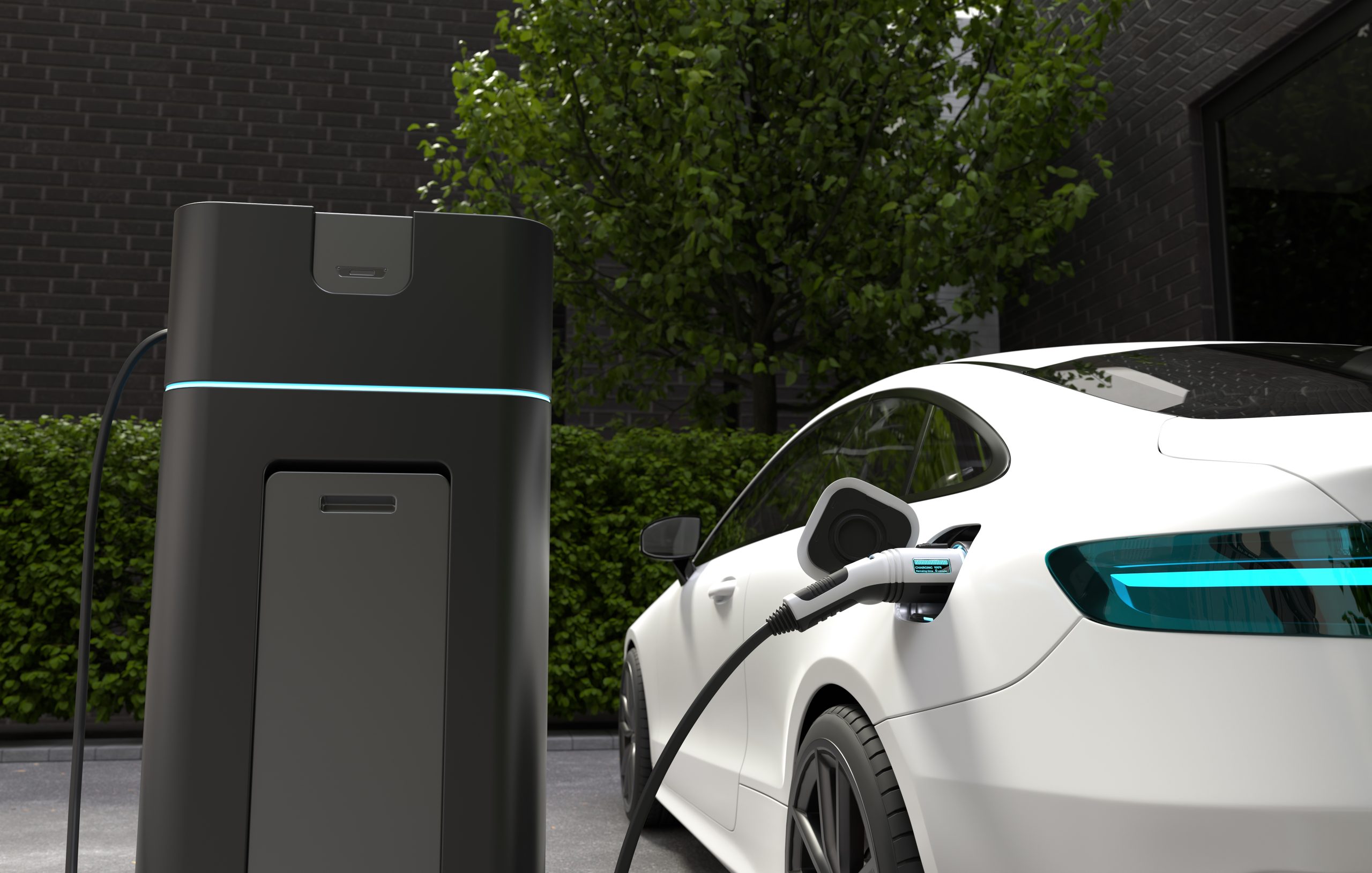
Electric vehicles technology has become one of the most exciting revolutions in modern transportation. From luxury sedans cruising silently on highways to compact city cars reducing fuel bills, EVs are transforming how people think about mobility. The journey of this transformation is not only about cleaner engines but also about the innovations that support them.
The adoption of electric vehicles technology is no longer limited to a handful of futuristic brands. Major automobile manufacturers across the globe are now investing heavily in research and development. Governments are supporting with incentives, charging infrastructure is expanding rapidly, and consumer awareness of sustainability is higher than ever before.
This combination of industry effort, government policy, and public demand is creating a perfect environment for electric vehicles technology to thrive.
How Electric Vehicles Technology Changed Transportation
A decade ago, many doubted the practicality of electric cars. Concerns about limited range, long charging times, and high costs were widespread. Today, things have changed dramatically.
Thanks to breakthroughs in battery chemistry and energy density, modern EVs can travel longer distances on a single charge. Charging networks are available in cities, highways, and even remote locations. Prices are gradually becoming competitive with traditional combustion vehicles, making EVs an appealing choice for middle-class families as well.
One striking real-life example is the growth of EV adoption in Norway. Within a few years, the majority of new cars sold in the country became electric. This shift was made possible because of strong government policies combined with robust electric vehicles technology that offered real-world practicality.
The Heart of Electric Vehicles Technology: Batteries
At the core of every electric vehicle lies its battery. Without advanced battery systems, the EV industry could never have reached its current success. Lithium-ion batteries dominate the market today, offering a balance of high capacity, efficiency, and durability.
The real game-changer has been the reduction in battery costs. Ten years ago, battery packs were so expensive that EVs seemed like luxury products for the elite. Today, the price per kilowatt-hour has fallen significantly, making EVs more accessible to the average consumer.
Another important step is the development of solid-state batteries. These promise higher energy density, faster charging times, and improved safety compared to traditional lithium-ion batteries. When solid-state batteries become commercially viable, they could completely redefine electric vehicles technology and make gasoline engines look outdated.
Charging Infrastructure Driving Growth
A car is only as useful as the ability to recharge it. The success of electric vehicles technology relies heavily on an extensive and reliable charging network.
Fast-charging stations are being built in cities, highways, and residential areas. Ultra-fast chargers can now deliver 80% charge in as little as 20–30 minutes, making road trips easier and reducing “range anxiety.” Wireless charging pads and solar-powered charging units are also under development, hinting at a future where charging will be seamless and eco-friendly.
In India, for example, metro cities are witnessing a rapid expansion of EV charging hubs in malls, parking lots, and even local fuel stations. This transformation is giving drivers confidence to switch to electric vehicles without worrying about getting stranded.
Electric Vehicles Technology in Everyday Life
The impact of electric vehicles technology is not only about eco-friendly driving but also about lifestyle changes. Imagine waking up, unplugging your car from your garage charger, and starting your day with a full battery. There’s no need to stand in queues at petrol pumps.
Taxi fleets, delivery vans, and ride-sharing platforms are also adopting EVs. This change means fewer emissions in urban centers, cleaner air, and quieter roads. Families benefit too, with lower running costs and fewer maintenance requirements compared to combustion engines.
Take the story of a school teacher in Delhi who switched from a petrol hatchback to a compact EV. In just one year, her monthly expenses on fuel dropped by nearly half. She also noticed reduced noise during her commute and the satisfaction of contributing to a cleaner environment. These small but impactful stories highlight the power of electric vehicles technology in daily life.
Electric Vehicles Technology and Sustainability
One of the strongest arguments in favor of electric vehicles technology is its contribution to sustainability. Traditional vehicles emit harmful gases that contribute to air pollution and climate change. EVs, on the other hand, run on electricity, which can increasingly be generated from renewable sources like solar and wind.
However, challenges remain. Battery production and recycling pose environmental concerns. Mining for lithium and cobalt can create ecological damage if not managed responsibly. This is why companies are exploring sustainable mining practices and advanced recycling methods to recover valuable materials.
Once these issues are streamlined, electric vehicles technology will become even more eco-friendly and sustainable, ensuring that the entire lifecycle of an EV leaves a lighter footprint on the planet.
Electric Vehicles Technology in Two-Wheelers and Public Transport
In markets like India, electric scooters and bikes are gaining momentum faster than cars. Their affordability, ease of charging, and suitability for short-distance commutes make them an attractive option.
Electric buses are also changing public transport. Cities like Shenzhen in China have successfully electrified their entire bus fleet, reducing urban air pollution and improving overall passenger experience.
This demonstrates that electric vehicles technology isn’t just about personal cars. It can revolutionize multiple layers of mobility, from daily commuting to mass transport solutions.
Smart Technology Integration
Another fascinating part of electric vehicles technology is its integration with digital systems. Many EVs today come with advanced software features such as AI-based battery management, regenerative braking optimization, and smart navigation that suggests charging points along routes.
Over-the-air updates keep vehicles constantly improving, just like smartphones. This digital dimension makes electric vehicles not just a mode of transport, but a smart mobility solution.
Global Competition Fuels Innovation
Countries worldwide are racing to lead in electric vehicles technology. China has become the largest EV market with its aggressive push in both manufacturing and adoption. Europe is focusing on clean mobility regulations, while the United States is innovating in EV startups and battery breakthroughs.
This competition is driving faster innovation, ensuring that consumers benefit from more choices, better performance, and affordable pricing. In the long run, such global momentum will help standardize electric mobility for everyone.
Future Possibilities of Electric Vehicles Technology
The story of electric vehicles technology is still unfolding. In the near future, we may see vehicles powered by hydrogen fuel cells combining with EVs for hybrid electric solutions. Flying electric taxis could become a reality in urban skies, providing eco-friendly air mobility.
As cities evolve into smart cities, EVs will integrate with renewable power grids. Your car could even become a mini power station, sending electricity back to the grid during peak hours. These innovations highlight the endless opportunities that lie ahead.
Read also: