

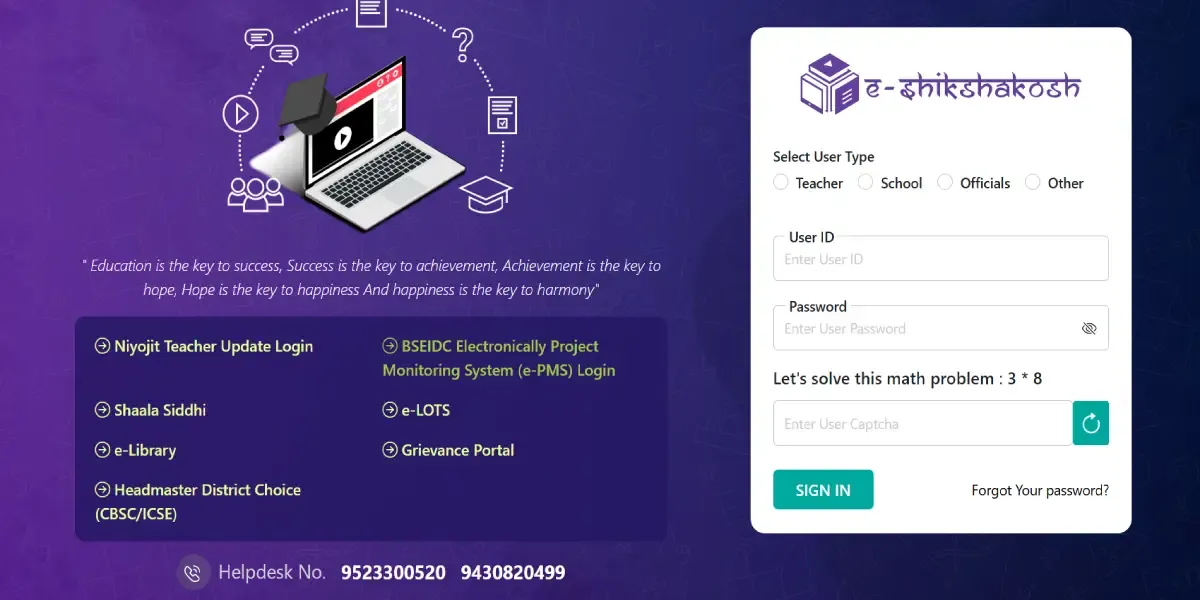
e shiksha student dashboard is the place where most students spend their real learning time after logging in. It’s not just a page with buttons—it works like a personal study control room. From checking your course progress to opening assignments, downloading notes, and viewing test scores, everything usually starts from the dashboard.
If you are a student who feels confused after login, you are not alone. Many students open the dashboard and don’t know what to click first. Some only watch videos and ignore tests. Some check results but skip revision. That’s why understanding the dashboard properly can make your learning faster, cleaner, and more organized.
This article will explain the dashboard in a simple, friendly way, with real-life examples and practical tips. Whether you are studying for school exams or competitive exams, the dashboard can become your daily success tool when used correctly.
Why a Student Dashboard Matters in Online Learning
In offline study, your classroom gives you structure. Your teacher tells you what to study today, what homework to do, and when the test is happening. But in online learning, you need a system that keeps everything organized.
That’s where a student dashboard becomes important. It acts like your digital classroom. It shows what you have already completed and what is still pending.
A good dashboard also helps you stay consistent. When you can see your progress daily, you naturally feel motivated. It’s like ticking off tasks from a checklist, but in a smoother way.
For many students, dashboards reduce stress because they stop the “where should I start?” confusion.
What You Usually See After Login
After logging into the app or portal, students generally land on the dashboard screen. This screen is designed to give quick access to the most important learning tools.
Most dashboards include course sections, recent lessons, assignments, tests, and notifications. Some also show your attendance, class schedule, or upcoming exam dates.
Many platforms also add a “Continue Learning” option. This is helpful because you can resume from where you stopped last time without searching again.
The dashboard is built for speed. Instead of opening many pages, you get everything in one place.
e shiksha student dashboard: Main Sections You Should Understand
The dashboard may look different depending on the version, but the purpose remains the same. It organizes your learning in a simple way.
Most students will see a course panel where subjects or enrolled courses appear. There is usually a progress bar or percentage that shows how much you have completed.
Another important section is the test or quiz area. Many students skip it, but it’s actually where you improve the most. The dashboard may also show assignments and downloadable notes.
Some dashboards include announcements. These may contain updates about new lessons, exam schedules, or maintenance alerts.
Once you understand these sections, your daily study becomes faster and more focused.
How to Use the Dashboard for Daily Study Planning
A dashboard is not just for checking things. It can help you plan your entire day’s study in a few minutes.
Start by opening the “Continue Learning” area. Complete one lesson first. After that, go to practice questions or quizzes for the same topic. This improves memory and confidence.
Then check assignments if your course includes them. Many students ignore assignments, but they are designed to test your understanding.
Finally, review your progress and see what is pending. This simple routine makes you feel organized, even if you study only 30–60 minutes daily.
When you use the dashboard like a planner, you stop wasting time.
Tracking Progress: The Feature Students Love Most
Progress tracking is one of the biggest advantages of online learning. It gives you a clear picture of your performance.
Many students feel they are studying a lot, but results don’t improve. The reason is they are not tracking weak areas. Progress reports solve this issue.
If your dashboard shows topic completion, test scores, and accuracy, you can easily understand what needs improvement. Some dashboards also show learning streaks or daily activity reports.
Progress tracking is like a mirror. It tells you the truth about your preparation, without guesswork.
Notes and Study Materials Inside the Dashboard
Students often ask, “Where are the notes?” or “How do I download PDF?” In most cases, the dashboard provides a direct section for study materials.
You may find topic-wise notes, PDFs, worksheets, and revision sheets. Some platforms provide short summaries, while others offer full chapter notes.
Using notes along with video lessons is a smart strategy. Videos help you understand, and notes help you revise quickly before exams.
If the dashboard allows saving notes offline, it becomes even more useful for students with limited internet.
Tests, Quizzes, and Mock Exams: The Real Game Changer
Watching lessons feels easy, but solving questions is where real learning happens. Many students avoid tests because they fear low marks. But tests are not for fear—they are for improvement.
Dashboards often show quizzes by chapter, subject, or difficulty level. Some may also show mock tests for full exam practice.
If you solve even one quiz daily, your speed improves naturally. You also learn how questions are framed, which helps in board exams and competitive exams.
The best part is that many dashboards show results instantly. You can see where you made mistakes and correct them quickly.
e shiksha student dashboard for Competitive Exam Students
Competitive exam preparation needs smart planning. You cannot study randomly. You need daily targets, revision cycles, and mock test practice.
A dashboard becomes very helpful because it keeps everything organized. You can track which subjects you completed, which tests you attempted, and how your accuracy is improving.
Many competitive students use the dashboard to follow a weekly plan. For example, they study concepts from Monday to Thursday and take tests on Friday and Saturday.
If the dashboard provides performance analysis, it becomes even more powerful. It shows which topics need more attention.
This is why e shiksha student dashboard can feel like a personal coach when used properly.
Notifications and Updates: Don’t Ignore Them
Many students ignore notifications because they think it’s not important. But notifications often contain valuable updates.
These updates may include new classes, extra practice sets, exam announcements, or feature improvements. Sometimes, platforms also announce free tests or special revision sessions.
If you miss these updates, you may miss useful opportunities. A simple habit is to check notifications once daily.
However, don’t let notifications distract you during study. Check them after completing your planned lesson.
Balanced use is the best way.
Real-Life Story: How Dashboard Discipline Improved Results
Let’s talk about Neha, a Class 12 student preparing for exams. She used to study a lot, but her performance was not improving. She felt tired and confused because she didn’t know what was working.
One day, she decided to use her dashboard properly. Instead of randomly opening topics, she followed the progress tracker. She completed pending chapters first, then attempted quizzes.
Within two weeks, she noticed a big improvement. Her accuracy increased, and she started remembering topics better. She also stopped wasting time on already completed lessons.
Neha’s marks improved because her study became structured. The dashboard gave her direction.
That’s the difference between studying hard and studying smart.
Common Problems Students Face on the Dashboard
Sometimes students face technical issues like dashboard not loading, slow performance, or missing content. These problems can happen due to internet speed or device storage.
If the dashboard is not loading, first check your internet connection. Try switching from mobile data to Wi-Fi. You can also restart the app.
If lessons are not showing, it may be due to login issues or course not being properly activated. Logging out and logging in again often fixes it.
Sometimes updates cause temporary glitches. Updating the app to the latest version is usually a good solution.
Most dashboard problems are fixable with simple steps.
How to Fix Login and Access Issues
Many students face login issues when OTP doesn’t arrive or password is forgotten. This is common and not a big problem.
If OTP is delayed, check your network signal and try again after a minute. If the problem continues, wait for some time and retry.
If you forgot password, use the reset option. If the platform supports email recovery, keep your email updated.
Always use your own mobile number for login. Using someone else’s number creates problems later when you want to recover the account.
Secure login keeps your learning safe and uninterrupted.
How Parents Can Help Students Use Dashboard Better
Parents don’t need to understand every feature. But they can support children by encouraging discipline.
Parents can ask the child what progress percentage is shown today. They can also check if tests are being attempted regularly.
Another helpful thing is setting a fixed daily study time. When students have a routine, dashboards become more effective.
Parents should also ensure the child is using the app for learning, not distractions. A quiet study environment helps students focus.
Small support from parents creates big results over time.
Best Habits to Build with a Student Dashboard
The dashboard works best when you build a few habits. These habits are simple but powerful.
First, always start with pending lessons. Don’t jump randomly. Second, attempt quizzes after learning. This locks the concept in your mind.
Third, revise weekly. Dashboards often show what you completed, so use that list for revision. Fourth, track weak topics using test results.
If you follow these habits, your learning becomes smoother. You don’t feel pressure at the last moment because your progress stays steady.
Smart habits turn the dashboard into your success tool.
Privacy and Safety Tips for Students
Students should always be careful with personal information. Never share OTP with anyone, even if someone claims to be support staff.
Avoid logging in on unknown devices. If you log in on a friend’s phone, remember to log out after use.
Also, don’t click unknown links that claim to give “free premium access.” These links may be scams.
A safe student is a smart student. When your account is safe, your progress stays protected.
Why Dashboard Learning Feels Easier Than Traditional Study
Traditional study depends on books, notebooks, and sometimes coaching notes. That method is good, but it can become messy when you have too many subjects.
Dashboard learning keeps everything in one place. You don’t waste time searching for notes or question papers.
It also gives instant feedback through quizzes and tests. This makes learning more interactive and engaging.
Most importantly, dashboards help students stay consistent. Even if you study less on some days, your progress tracking keeps you connected to your goals.
That’s why many students now prefer digital learning support along with school education.
Using the Dashboard Like a Personal Study Coach
The biggest mistake students make is using the dashboard only for videos. But the dashboard is more than that.
It is your planner, tracker, test center, revision tool, and performance report. When you treat it like a coach, you start improving faster.
A coach doesn’t just teach. A coach also checks your progress and corrects mistakes. The dashboard does the same through progress reports and test analysis.
If you stay consistent, you will start feeling more confident in exams.
And yes, e shiksha student dashboard can become your daily study partner when you use it the right way.
Read also:
e-shikshakosh
e.shikshakosh
eshikshakosh.bihar.gov.in
mumbai city fc vs kerala blasters stats