

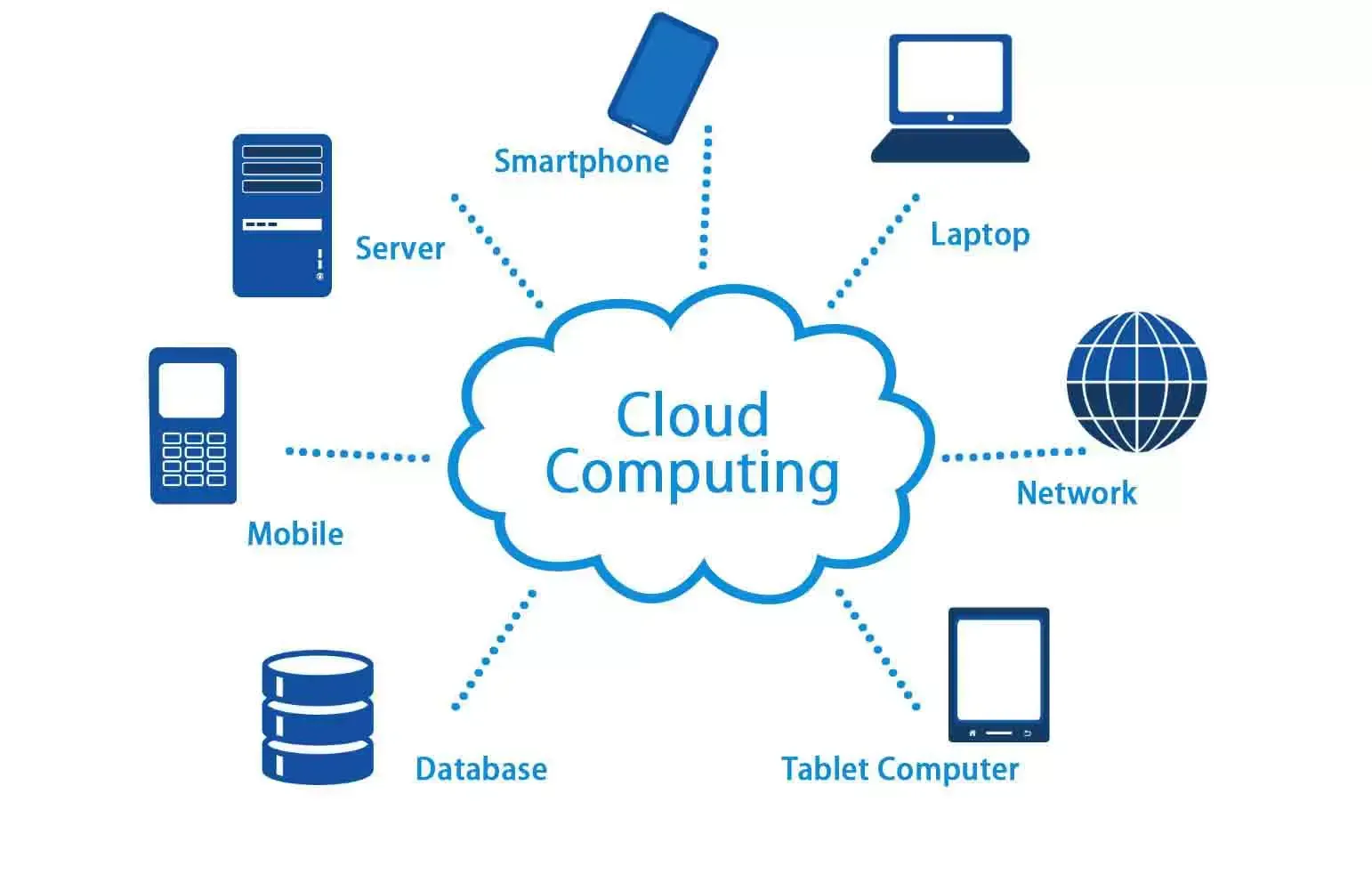
Cloud service packages have become a cornerstone of modern business operations, offering scalable and flexible solutions for organizations of all sizes. These packages, provided by major cloud computing platforms, bundle computing resources, storage, and specialized tools into structured offerings tailored to diverse needs. From startups to global enterprises, businesses rely on these packages to streamline operations, enhance productivity, and manage costs effectively. This article delves into the essentials of cloud service packages, their key components, benefits, and considerations for choosing the right one.
What Are Cloud Service Packages?
Cloud service packages are pre-configured sets of cloud computing services designed to meet specific organizational requirements. These packages typically include a combination of computing power, storage, databases, networking, and software tools, delivered over the internet. Providers like Amazon Web Services (AWS), Microsoft Azure, and Google Cloud Platform (GCP) offer tiered packages, ranging from basic plans for small businesses to advanced enterprise-grade solutions. Each package is structured to balance performance, scalability, and cost, allowing users to select options that align with their operational goals. For instance, a small business might opt for a basic package with limited storage and computing resources, while a large corporation may require a premium package with advanced analytics and global infrastructure support.
Read also: miofragia
Key Components of Cloud Service Packages
Most cloud service packages include several core components to support diverse workloads. Compute services, such as virtual machines or serverless computing, form the backbone, enabling businesses to run applications and process data. Storage options, including block, object, and file storage, cater to different data management needs, from archiving to real-time access. Networking features, like virtual private clouds and load balancers, ensure secure and efficient data transfer. Additionally, many packages offer specialized tools, such as machine learning platforms, database management systems, or developer tools, to enhance functionality. For example, a package might include access to AI-driven analytics for businesses looking to leverage data insights, making these bundles versatile for various industries.
Benefits of Using Cloud Service Packages
Cloud service packages offer numerous advantages that make them appealing to businesses. Cost efficiency is a primary benefit, as these packages often operate on a pay-as-you-go model, allowing companies to avoid large upfront investments in hardware. Scalability is another key advantage, enabling organizations to adjust resources based on demand, such as during peak sales seasons or product launches. Additionally, cloud service packages simplify IT management by offloading tasks like server maintenance, security updates, and backups to the provider. This allows businesses to focus on core activities rather than infrastructure management. Moreover, these packages often include robust security features, such as encryption and identity management, ensuring data protection in an increasingly digital world.
Know More: contatoeseducao
Types of Cloud Service Packages
Cloud service packages come in various forms to suit different needs. Basic packages are ideal for small businesses or startups, offering essential computing and storage resources at a lower cost. Mid-tier packages cater to growing organizations, providing enhanced features like advanced analytics, larger storage capacities, and improved performance. Enterprise-grade packages are designed for large-scale operations, offering global infrastructure, high availability, and specialized tools for complex workloads. Some providers also offer industry-specific packages, such as healthcare-compliant solutions with HIPAA support or financial packages with enhanced security for regulatory compliance. These tailored options ensure businesses can find a package that aligns with their specific operational and regulatory requirements.
Choosing the Right Cloud Service Package
Selecting the appropriate cloud service package requires careful consideration of several factors. First, businesses must assess their workload requirements, such as the type and volume of data they handle or the applications they run. For instance, a company focused on data analytics may prioritize packages with robust machine learning tools. Budget is another critical factor, as costs can vary significantly between basic and premium packages. Organizations should also evaluate the provider’s reliability, including uptime guarantees and customer support quality. Additionally, compatibility with existing systems and the ability to scale resources seamlessly are crucial for long-term success. Comparing offerings from multiple providers can help businesses identify the package that best balances cost, performance, and features.
Explore More: panrbb71gv1
Challenges and Considerations
While cloud service packages offer significant benefits, they also come with challenges. One common concern is vendor lock-in, where businesses become dependent on a single provider’s ecosystem, making it difficult to switch later. Hidden costs, such as data transfer fees or charges for exceeding usage limits, can also impact budgets. Security remains a critical consideration, as businesses must ensure their chosen package complies with industry regulations and offers robust protection against cyber threats. Furthermore, organizations with limited technical expertise may face a learning curve when adopting complex cloud service packages. To mitigate these challenges, businesses should thoroughly review service agreements, seek flexible packages, and invest in training to maximize the value of their cloud investment.
The Future of Cloud Service Packages
The landscape of cloud service packages continues to evolve, driven by advancements in technology and changing business needs. Emerging trends, such as the integration of artificial intelligence and edge computing, are shaping the next generation of packages. Providers are increasingly offering hybrid and multi-cloud solutions, allowing businesses to combine public and private clouds for greater flexibility. Additionally, sustainability is becoming a focus, with providers introducing eco-friendly packages that prioritize energy-efficient data centers. As competition among cloud providers intensifies, businesses can expect more customized and cost-effective cloud service packages tailored to niche industries and specific use cases, further enhancing their ability to innovate and grow.
For More Info: