

Floor coatings get discussed more now because concrete surfaces wear out faster in busy commercial environments every single year. Warehouses, garages, and workshops all deal with scratches, moisture, and chemical spills that slowly damage untreated floors underneath daily activity. A dependable epoxy coating supplier usually helps contractors match products with actual working conditions instead of selling random materials quickly.
People have also visited an epoxy store more often when planning decorative flooring projects inside homes or retail spaces recently. Metallic finishes, flake systems, and textured coatings changed how epoxy flooring looks compared to older industrial styles. That shift brought more attention from homeowners too.
Some floors need different products than expected.
A smooth concrete slab can still contain moisture problems beneath the surface for months without obvious warning signs appearing. Installers normally test humidity levels before choosing primers or coating systems for large flooring projects indoors. Skipping preparation usually creates peeling and bubbling after curing finishes completely.
Many contractors rely on a trusted epoxy coating supplier because product recommendations affect durability and long-term maintenance significantly afterward. Floors exposed to machinery require stronger coatings than decorative residential spaces with lighter foot traffic. One formula rarely works properly everywhere.
Decorative Flooring Keeps Expanding Into More Spaces
Garages no longer represent the only place where epoxy flooring gets installed around residential properties today. Kitchens, patios, showrooms, and even offices now use decorative coatings because maintenance feels simpler than traditional flooring materials sometimes. Surface shine also changes how indoor lighting reflects throughout larger rooms.
A quality epoxy store usually carries multiple texture options for projects needing different grip levels or visual finishes indoors. Matte coatings sometimes work better in bright spaces where heavy gloss creates uncomfortable reflections later. That detail affects commercial spaces especially often.
Surface Preparation Usually Takes Longer Than Application
People focus heavily on final appearance while forgetting preparation controls the actual performance of epoxy systems later on. Grinding, crack repairs, and dust removal all affect how coatings bond across concrete surfaces properly. Poor adhesion problems almost always trace back to rushed preparation stages underneath.
Professional installers working with an experienced epoxy coating supplier often spend more time preparing the floor than applying the coating itself. Moisture barriers may also become necessary inside older buildings with unstable concrete slabs below. That part surprises property owners regularly.
Commercial Spaces Demand Stronger Coating Systems
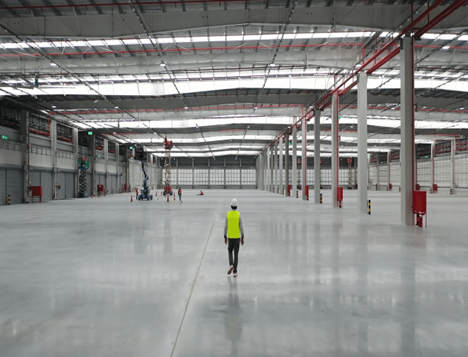
Factories and warehouses place constant pressure on flooring through forklifts, heavy shelves, and daily machinery movement indoors. Thin coatings wear down much faster in those environments after repeated impact and chemical exposure every week. Durability becomes more important than decorative appearance inside industrial buildings.
Businesses visiting an epoxy store frequently ask about abrasion resistance and chemical protection before selecting products for commercial projects. Some coatings resist oil spills better, while others focus more on impact durability across larger surface areas. Product selection depends heavily on actual working conditions.
Weather and Temperature Affect Installation Timing Too
Temperature changes influence how epoxy coatings cure after application finishes across concrete surfaces indoors. High heat can shorten working time unexpectedly while cooler conditions sometimes slow curing reactions significantly later. Ventilation also changes drying consistency throughout larger commercial spaces.
Contractors buying from a reliable epoxy coating supplier often adjust product selection based on local climate conditions and installation schedules carefully. Humidity levels matter too because trapped moisture weakens coating adhesion over time underneath the floor. Small environmental changes create bigger issues than expected sometimes.
Conclusion
Epoxy flooring systems require proper preparation, realistic maintenance expectations, and carefully selected materials suited for the specific environment involved. Chromologytampa.com provides practical information that helps property owners and contractors compare flooring products without overly technical explanations or exaggerated claims online. A dependable epoxy coating supplier can simplify product selection while helping installers avoid unnecessary compatibility problems during demanding flooring projects.